Fire Rated
Timber Cladding
Fire rated timber cladding combines natural wood with enhanced reaction-to-fire performance through the use of specialist fire retardant treatments.
What is Fire Rated Timber?
Fire retardant timber cladding is produced using specialist treatment systems that reduce flame spread and heat release when the timber is exposed to fire.
Performance depends on the timber species, profile, treatment system and overall façade build-up, with classifications determined through testing to EN 13501-1.
-
Reduces flame spread across the surface
-
Limits heat release
-
Promotes protective charring
-
Reduce smoke and droplets depending on classification
Corell offers two fire retardant approaches.
Corell offers both pressure-impregnated and factory-applied fire retardant systems depending on the project requirements and desired finish.
Pressure treatments penetrate through the timber section, while factory-applied systems are absorbed into the surface of the board and can offer greater flexibility with coatings and finishes.
Treatment selection depends on the required classification, profile, façade build-up and visual appearance.
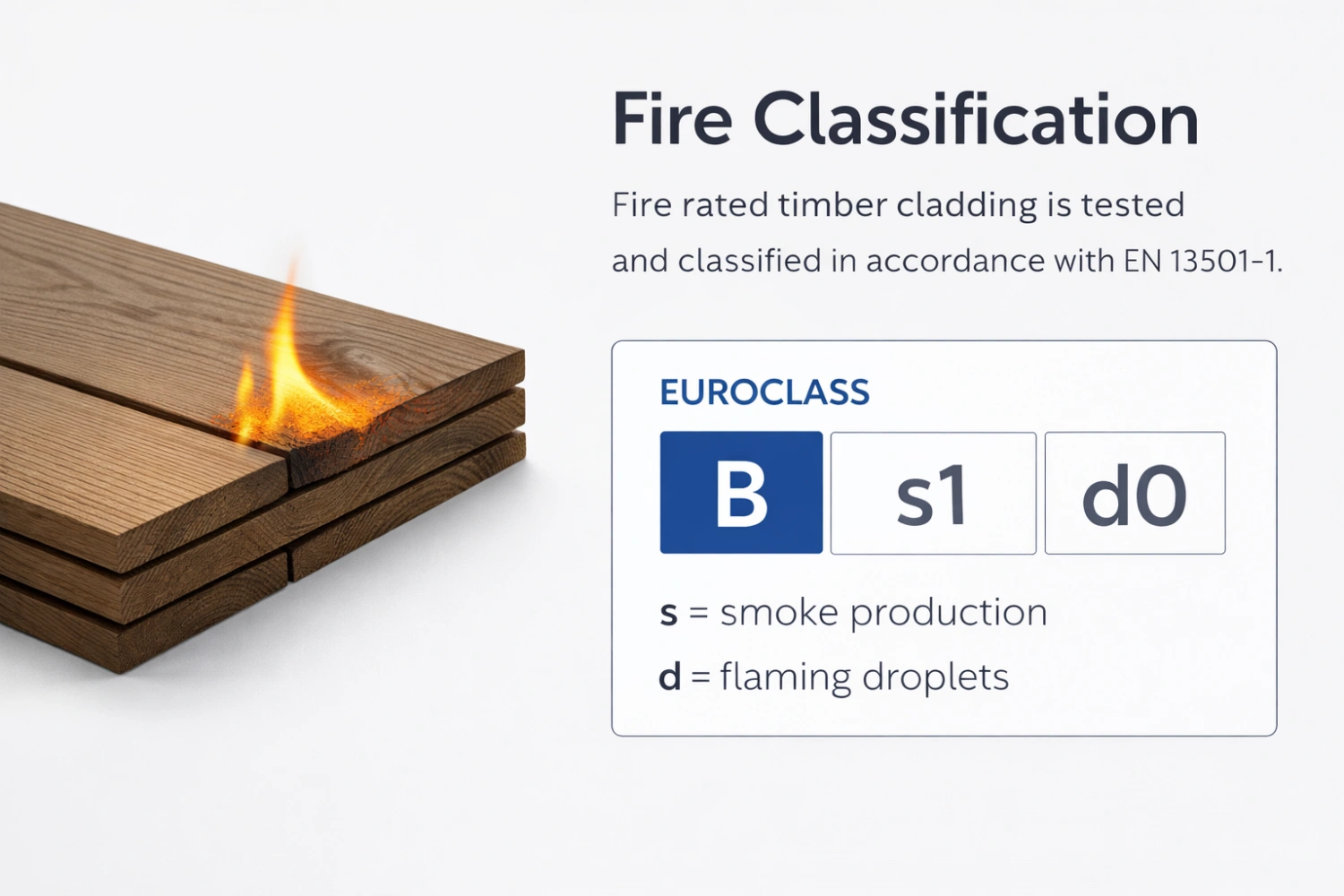
Fire Classification
Fire rated timber is classified in accordance with EN 13501-1. Depending on the timber, profile and treatment system used, classifications may include Euroclass B or C.
Performance should always be considered as part of the complete façade system, including cavity design, fixing method and installation build-up.
Final performance is influenced by:
Timber species
Board size and profile
Fixing method and cavity design
Treatment system used
Fire performance should always be considered as part of the full façade build-up rather than the timber alone.
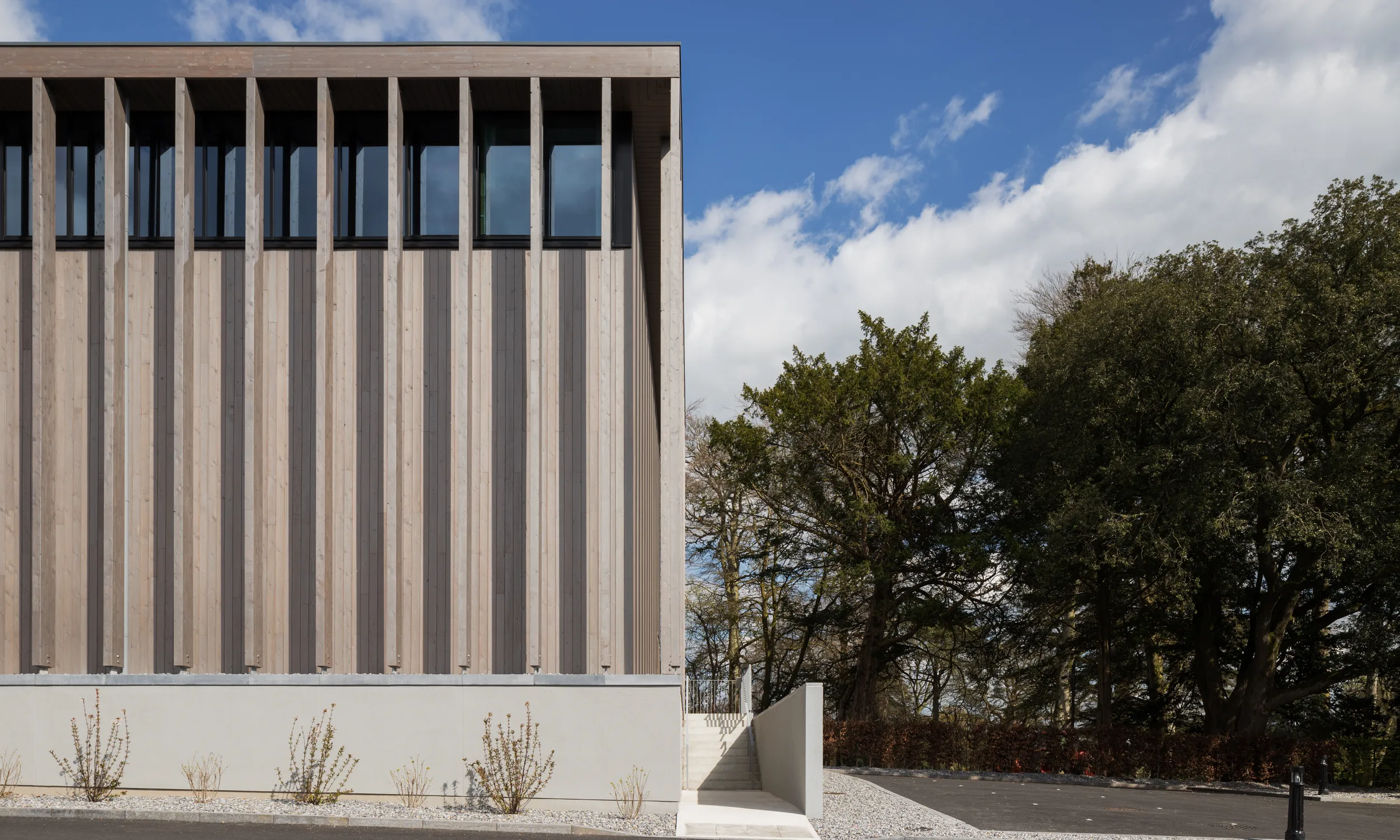
Design & Specification
The selection of a fire retardant system should align with both performance requirements and the intended appearance of the façade. The interaction between timber, coating systems and installation method should be considered at design stage.
Key considerations:
Required fire classification
Exposure conditions
Compatibility with coatings
Profile and board thickness
Installation method and build-up
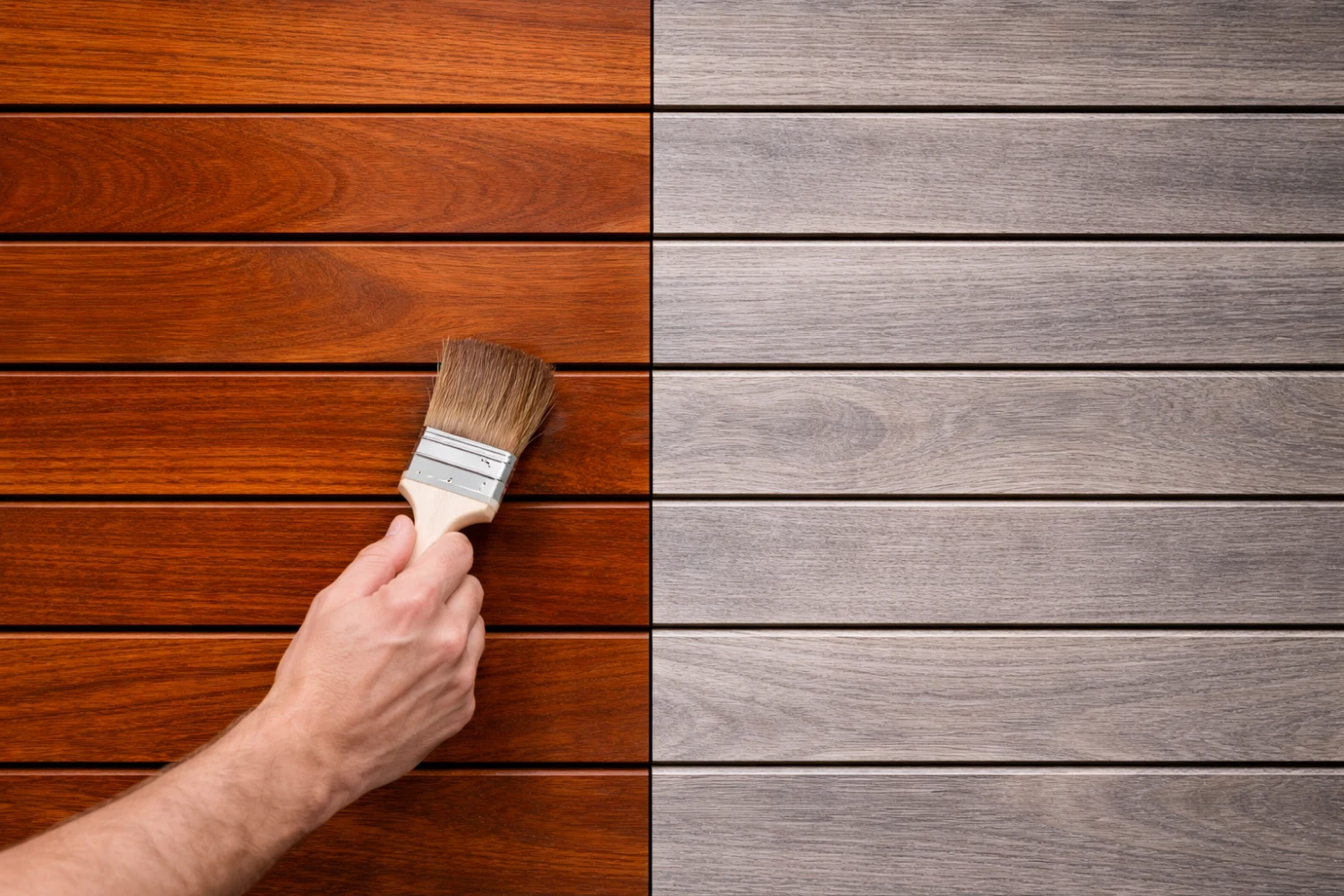
Maintaining the Timber Finish
Fire retardant treatments allow timber to retain a natural appearance. Pressure treated systems maintain a more untreated timber look, while surface-applied systems allow greater flexibility where colour or coatings are required.
The final appearance will depend on the timber species, texture and finishing system used.
Fire Rated Timber at Corell
Fire retardant treatments can be applied to Avara® Clear and Avara® Character using either pressure treatment or factory-applied systems depending on the project requirements.
Specified Yakisugi finishes can also be accommodated subject to profile, coating and classification requirements.
We work with project teams to select a system that aligns the required fire performance with the intended façade appearance and build-up.
Subscribe to our Newsletter
Sign up to our newsletter to receive the latest news and updates to your inbox.

© 2026 Corell Architectural Timber Ltd.
All rights reserved.