Outdoor
Timber Spaces
Timber is used across a wide range of outdoor applications, from cladding and screening to landscaping and garden structures.
The choice of timber, profile and finish influences how outdoor spaces feel, weather and function over time.
Ways to Use Timber
Timber is widely used across outdoor environments, from façades and screening to terraces, ceilings and landscape features. Its natural appearance, combined with a wide range of profiles, textures and finishes, allows it to suit both contemporary and more traditional architecture.
With appropriate detailing and material selection, timber performs reliably in exposed exterior conditions while bringing warmth and texture to outdoor spaces.
Timber Decking
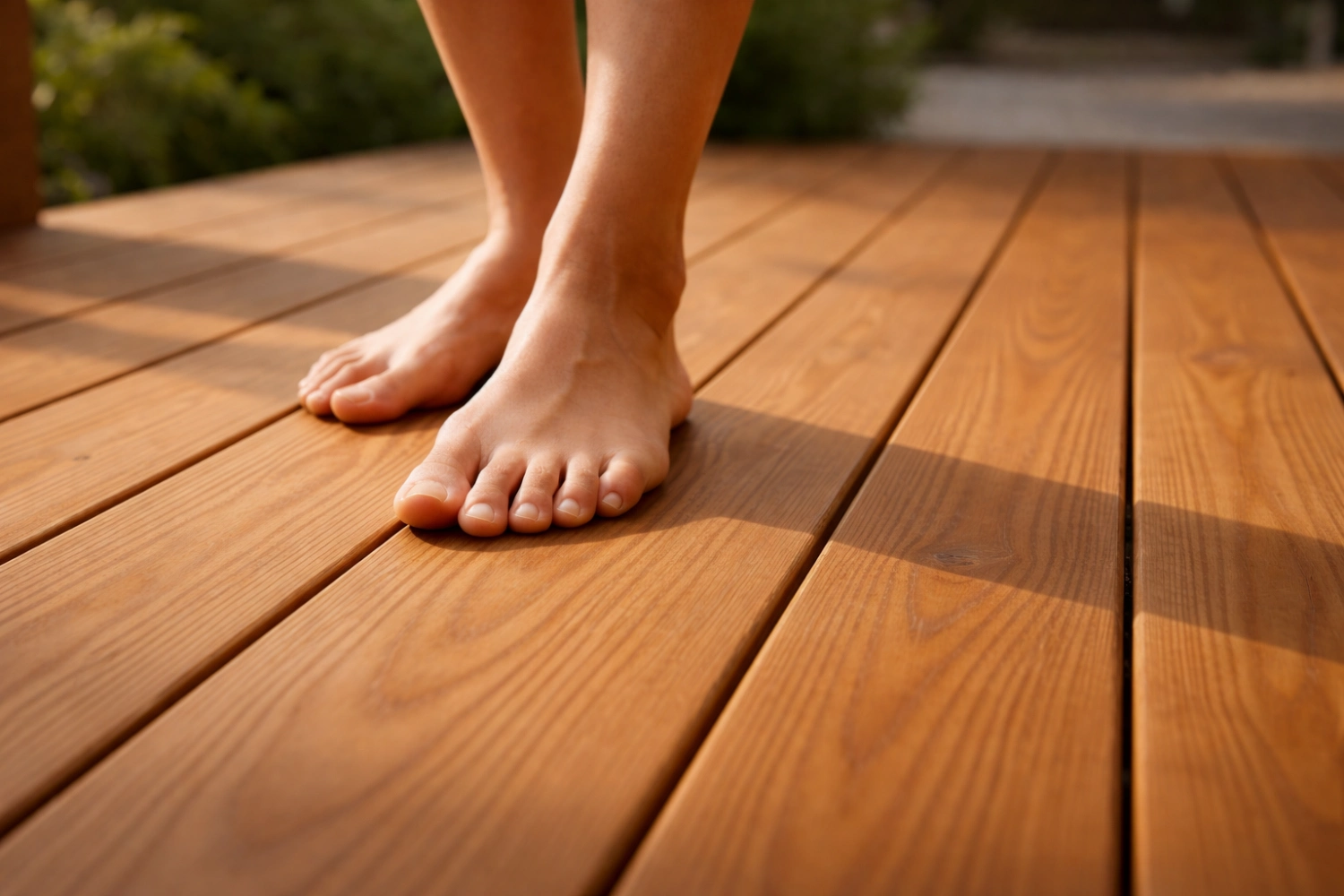
Timber decking is used to create terraces, walkways and outdoor living areas. Board size, spacing and fixing all influence both appearance and long-term performance, particularly in exposed conditions.
Consistent machining and dimensional stability help achieve cleaner alignment and a more uniform finished surface underfoot.
Timber Screening
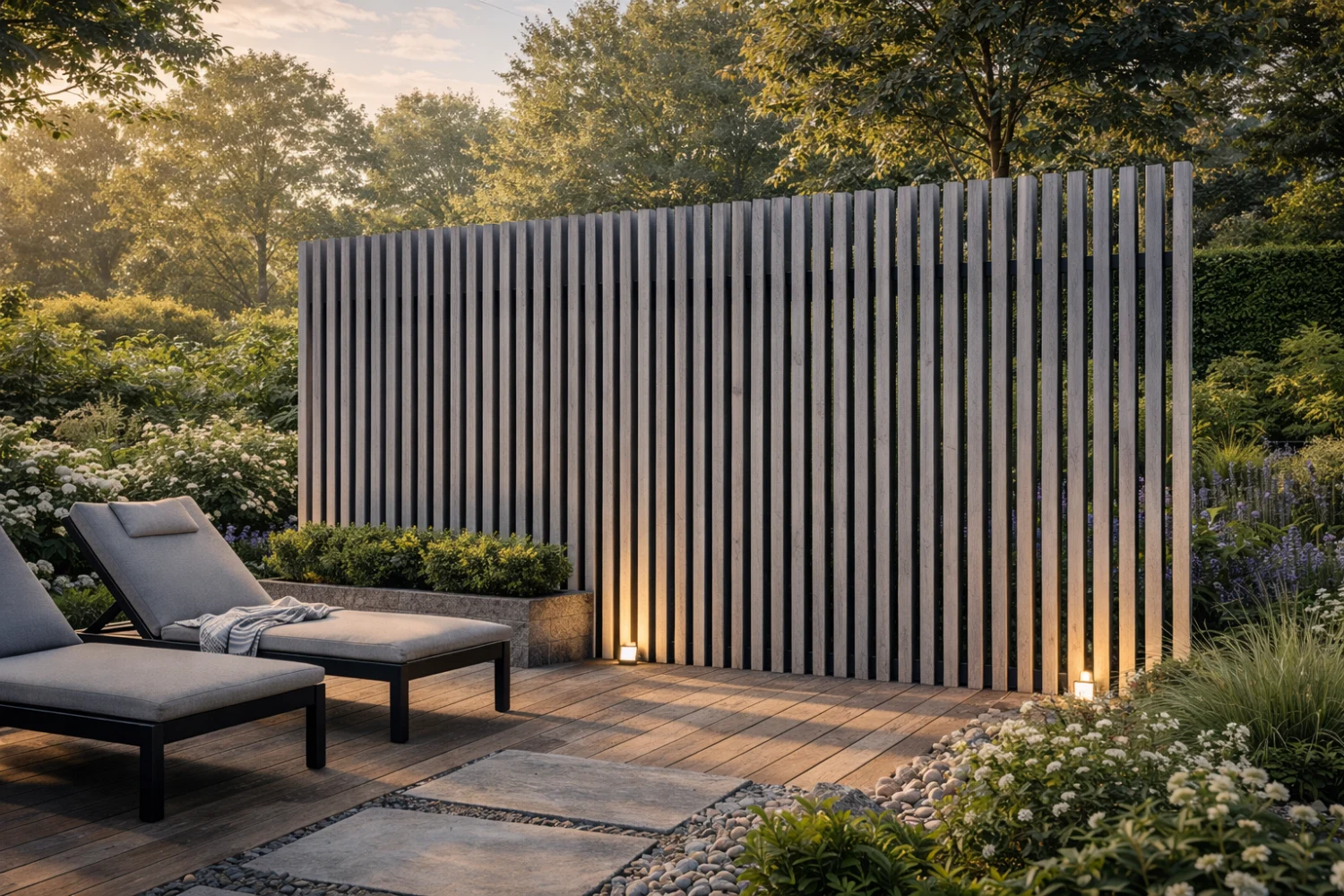
Timber screening is used to introduce privacy, define boundaries and filter visibility without fully enclosing a space. Board spacing, profile and layout influence both the visual rhythm and the level of openness across the screen.
It is commonly used in residential and commercial projects where separation, airflow and filtered light are required.
Timber for Sauna
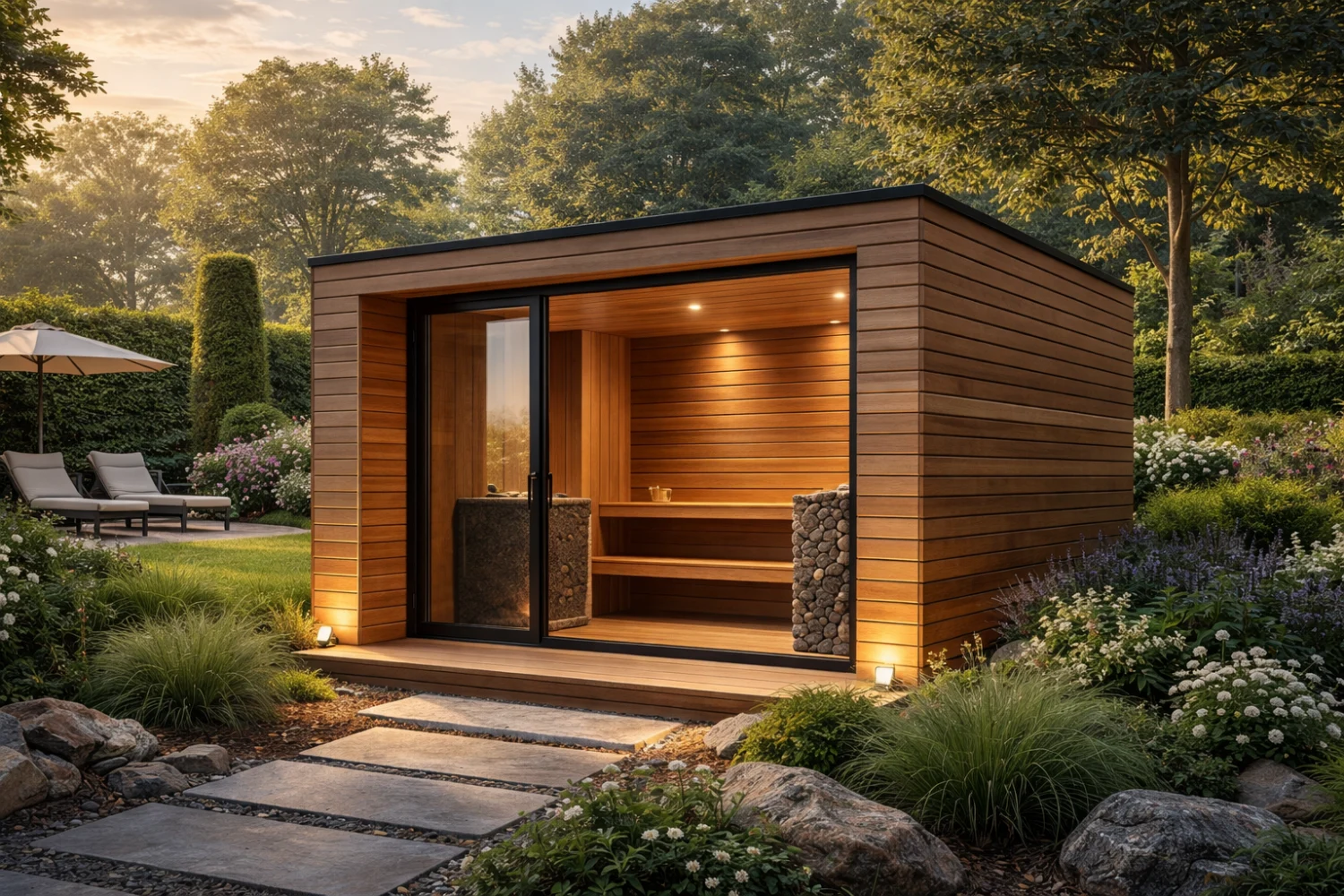
Timber is well suited to sauna environments where stability and comfort under heat are important.
Smoother finishes are often preferred internally, helping create a cleaner and more refined surface finish.
Ceilings and Soffits
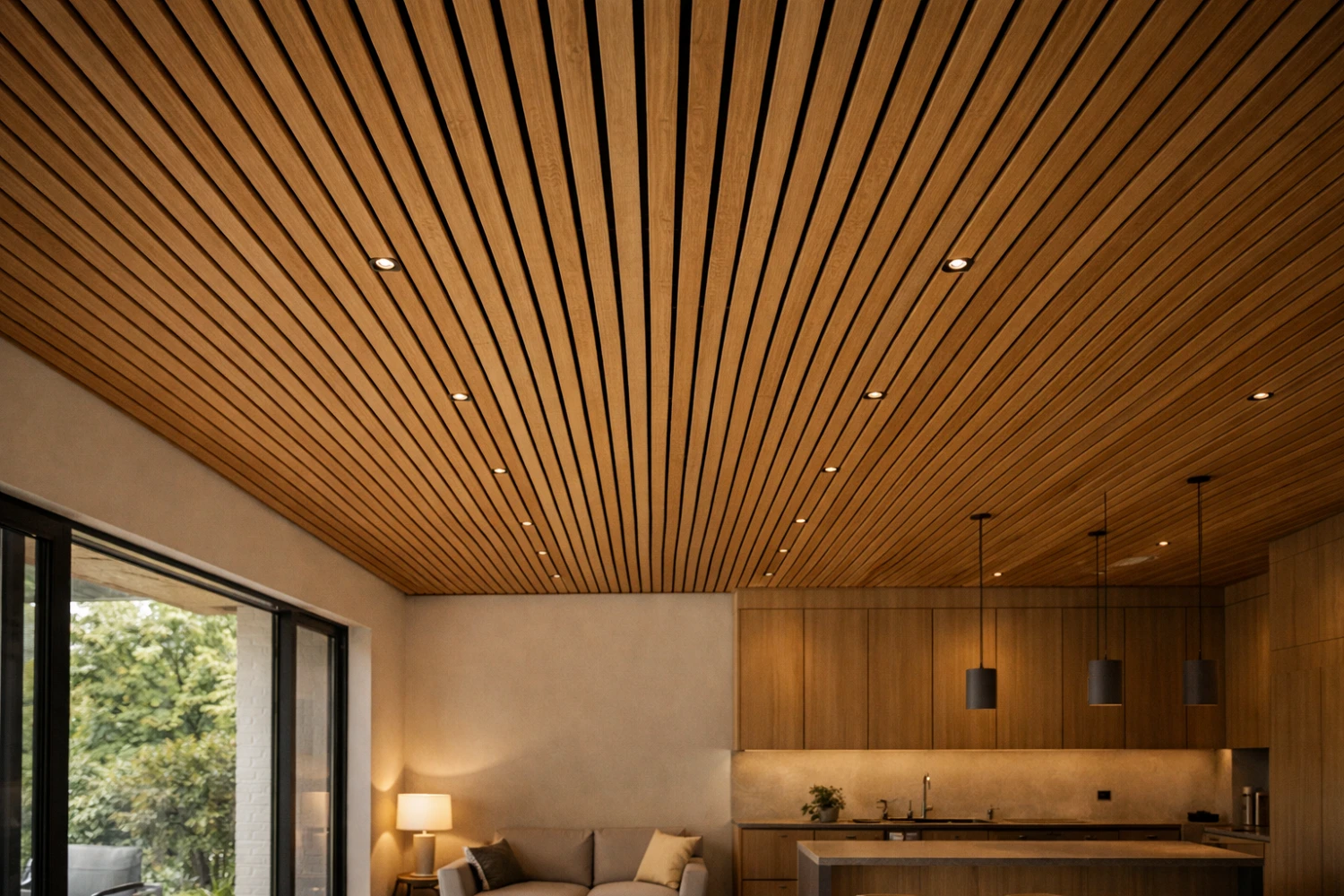
Timber ceilings, soffits and overhangs bring warmth and continuity to sheltered exterior areas.
Extending the material from façade to underside helps create a more cohesive architectural finish, while careful profile selection maintains clean lines across the surface.
Where to next

© 2026 Corell Architectural Timber Ltd.
All rights reserved.