Yakisugi Charred
Timber Cladding
Yakisugi is a traditional Japanese process where the surface of the timber is charred, brushed and coated. The result is a darker timber finish with visible grain, texture and natural variation that cannot be replicated with standard coatings alone.
Charred
Timber
Cladding
Yakisugi charred timber cladding is created by charring the surface of the timber and brushing back the carbon layer to expose different levels of grain and texture.
After brushing, the boards are coated to define the final appearance and protect the timber externally.
-
Traditional Japanese timber treatment
-
Charred surface to 2 — 3mm
-
Brushed to enhance grain texture
-
Precision made In-house
-
Factory finished cladding boards

A Natural Alternative to Imitation Finishes
Yakisugi is a genuine material finish created through fire, brushing and coating rather than embossed or printed surface effects.
The depth, grain and variation come directly from the timber itself rather than being manufactured into the surface.
In modern applications, long-term performance depends on the underlying timber species and coating system, with the charred finish primarily influencing the visual appearance of the façade.
Also referred to as burnt timber cladding or charred wood cladding, Yakisugi is selected where a darker, more textured timber surface is required.
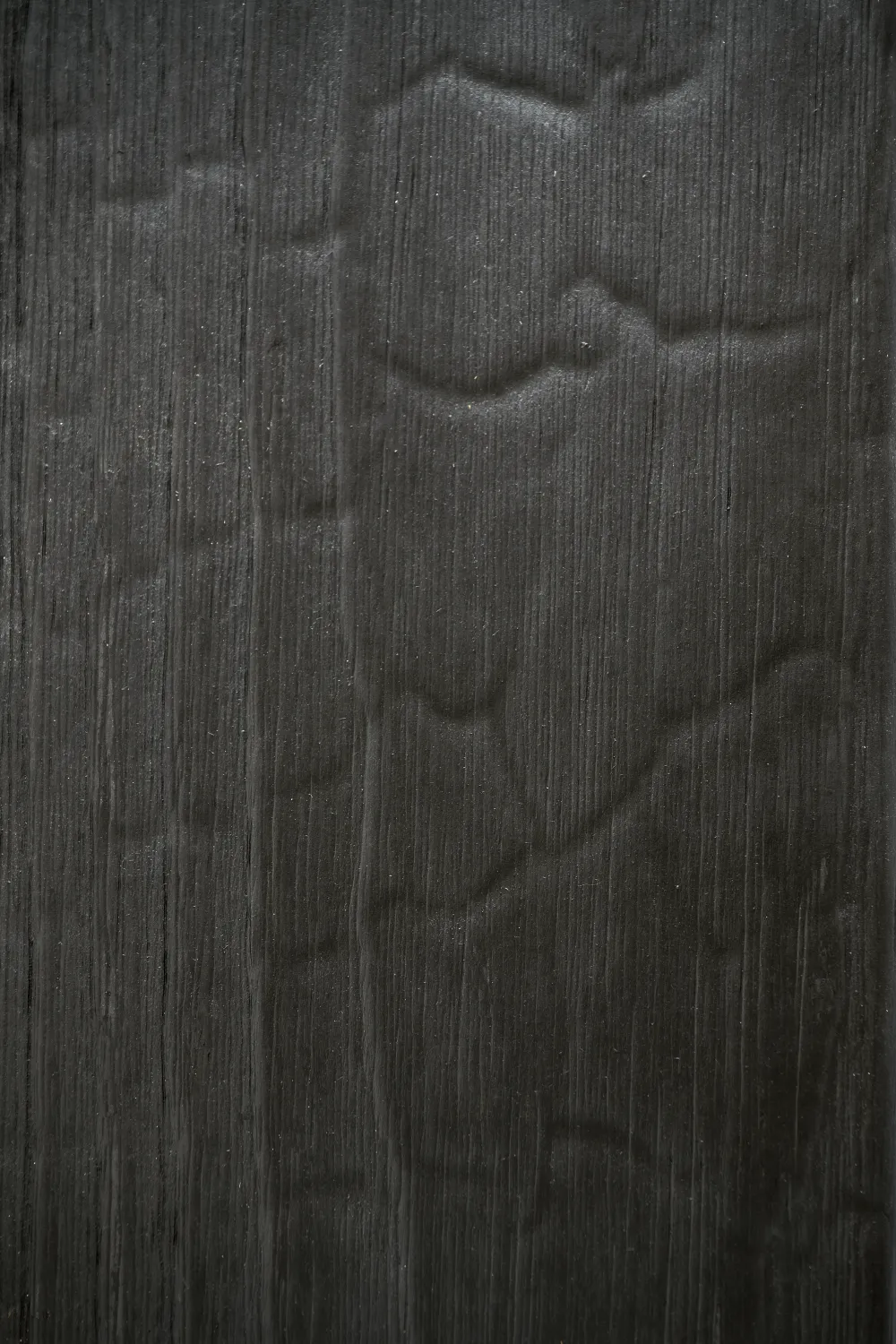
Avara® Clear
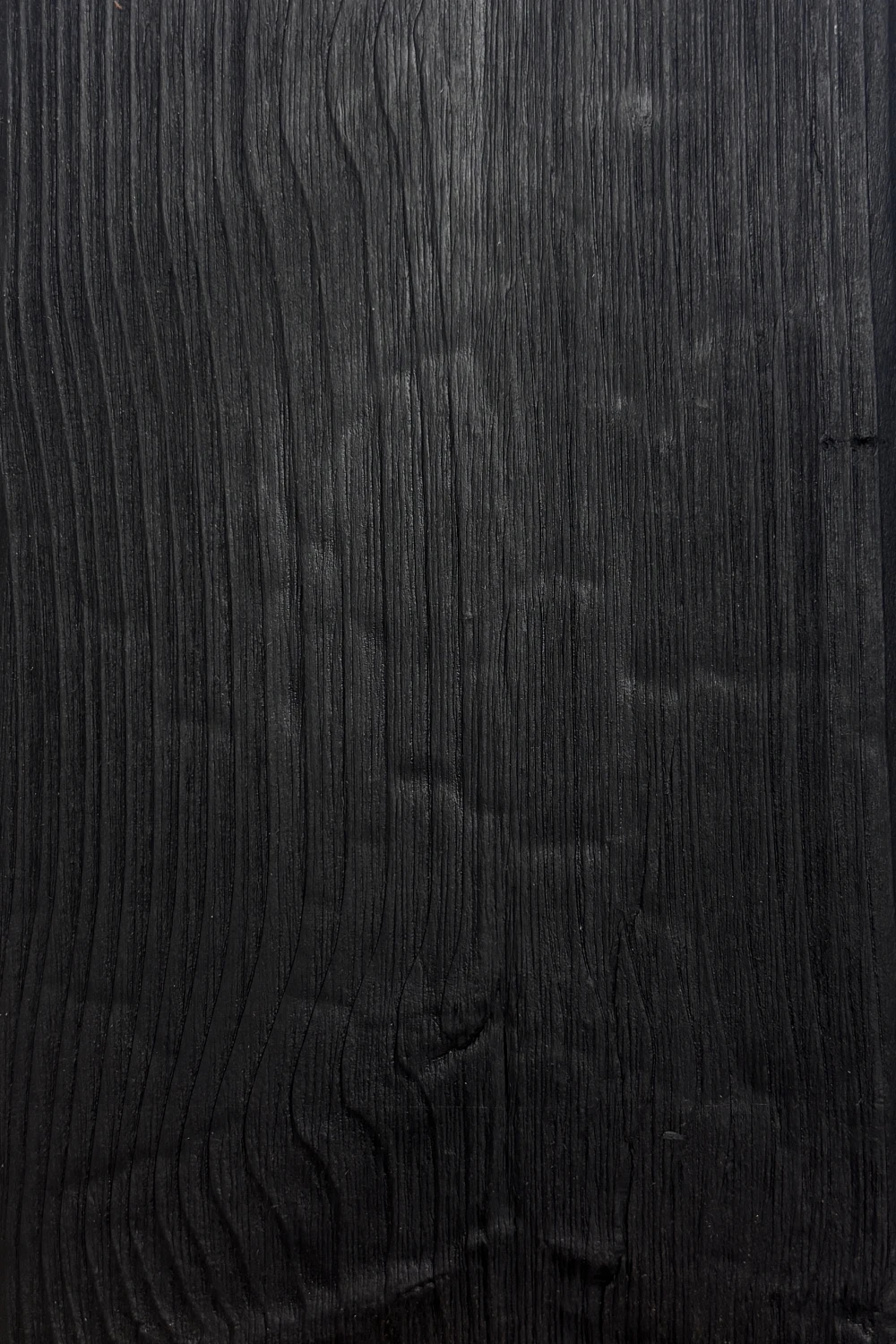
Avara® Character
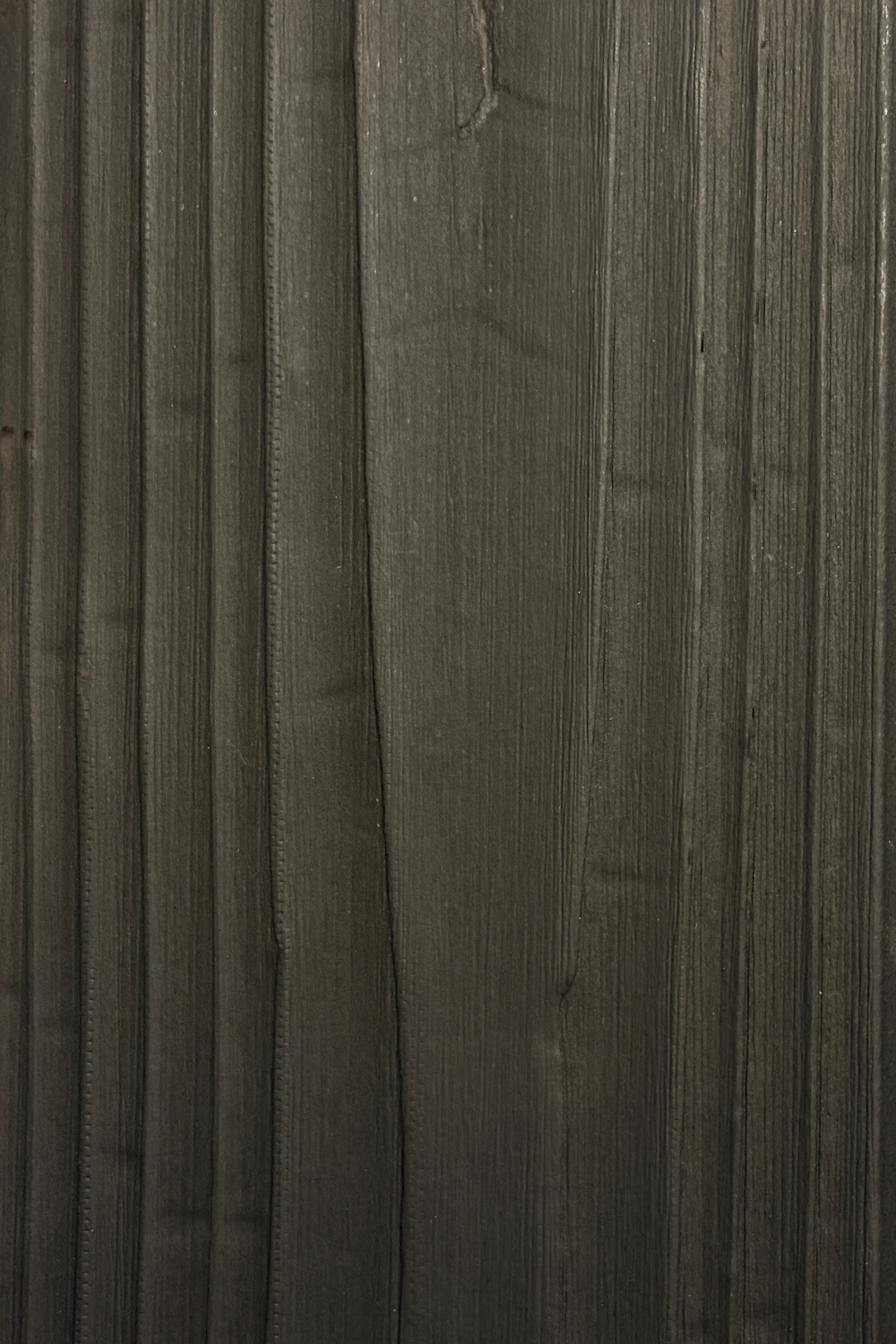
Douglas Fir
Texture
The appearance of Yakisugi varies depending on the timber species used. Grain structure, density and surface texture all influence how the char develops and how much grain remains visible after brushing.
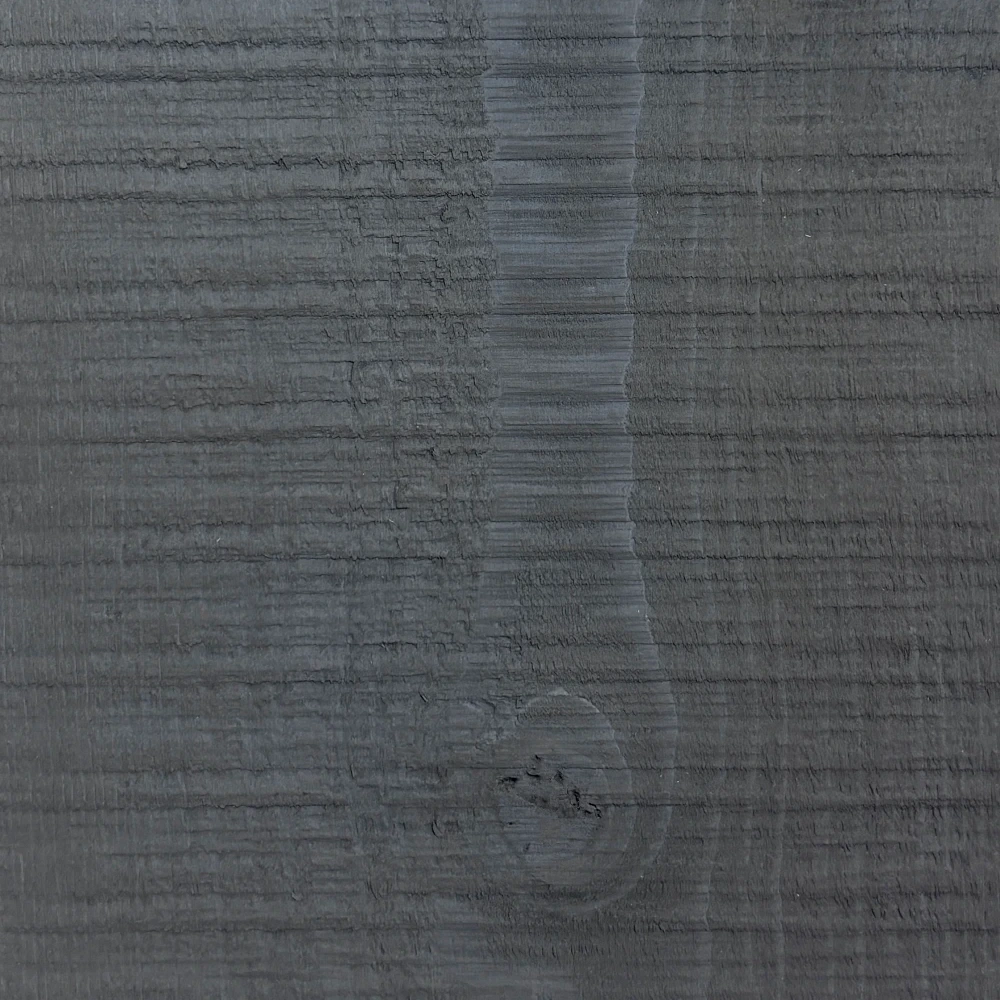
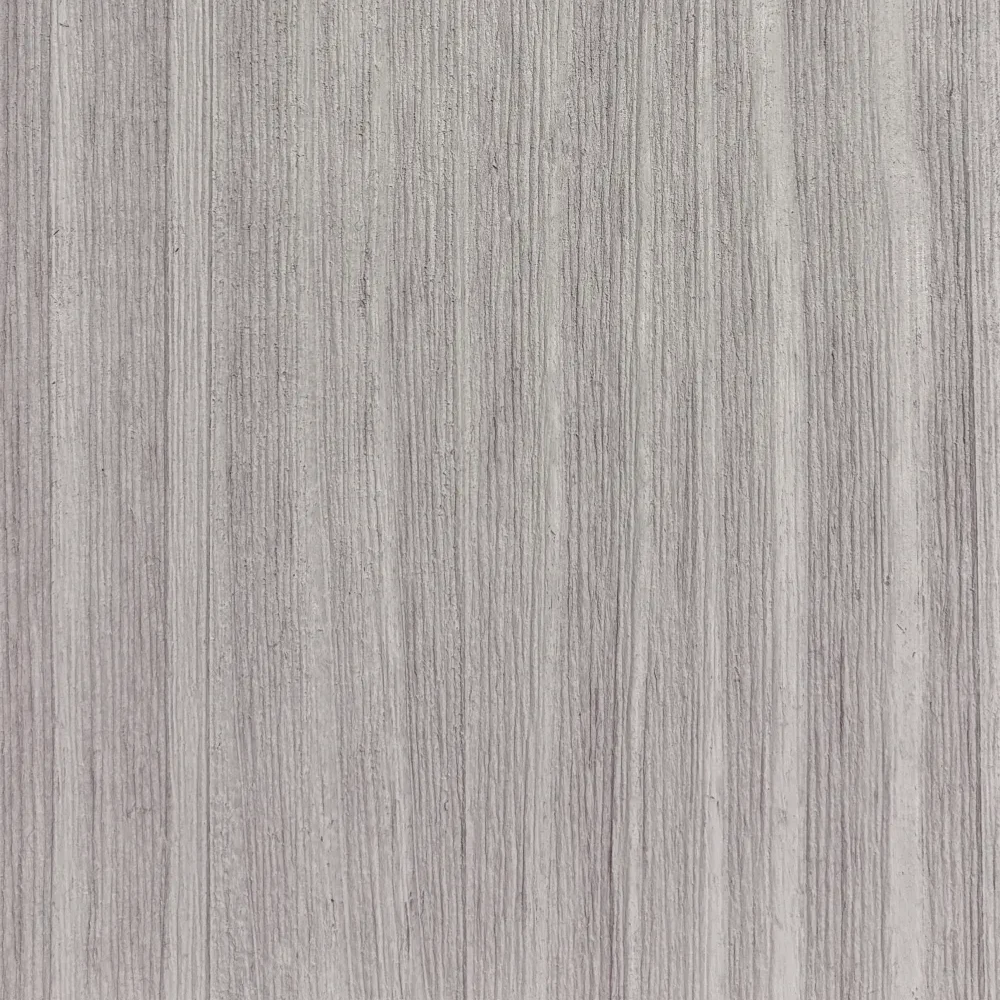
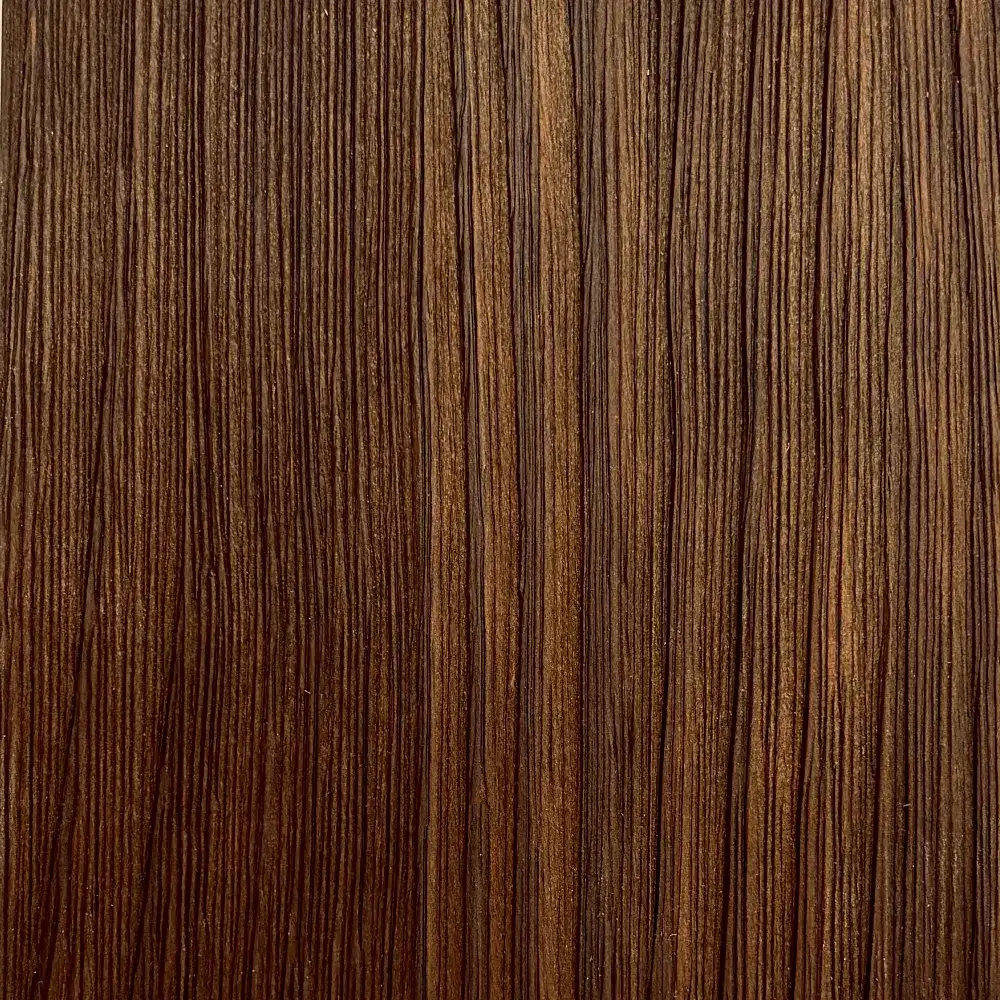
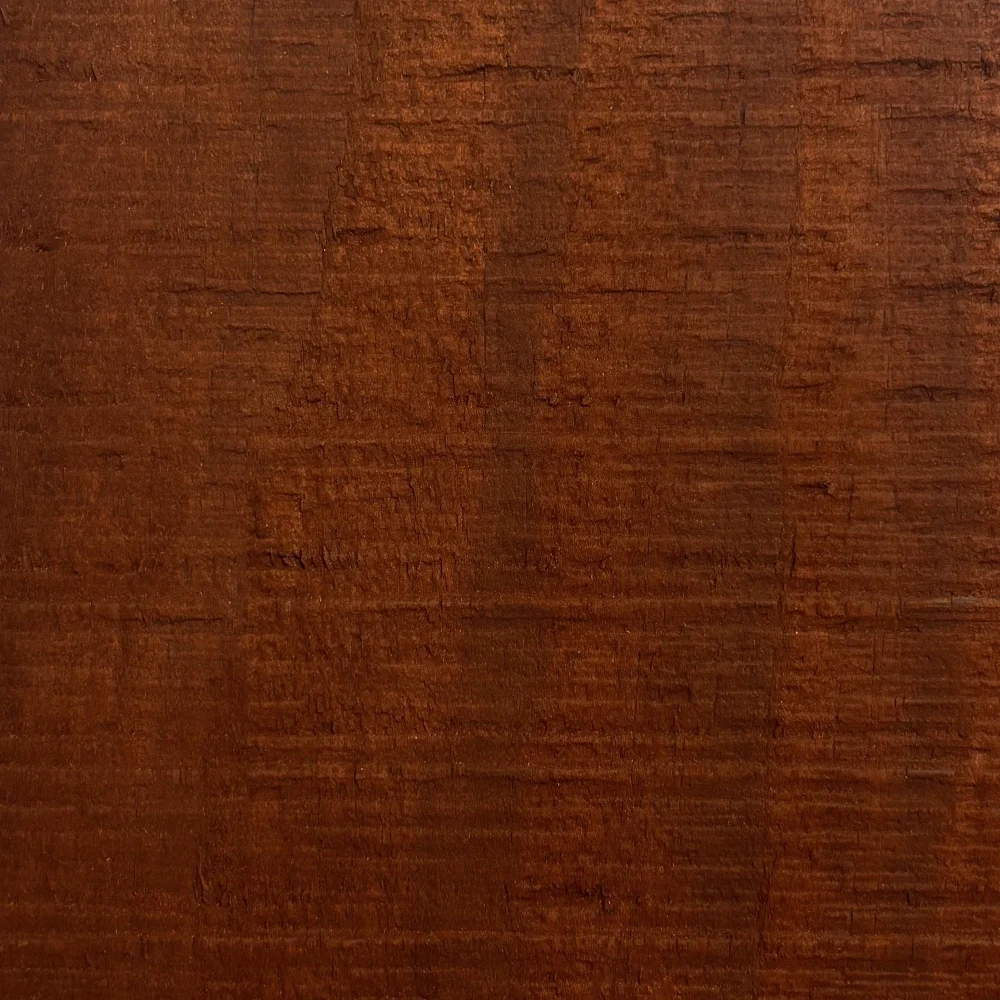
Colour & Coatings
After charring and brushing, the boards are finished with an exterior coating. The coating protects the timber and defines the final appearance of the cladding. Clear finishes allow the timber to weather naturally over time, while coloured coatings require periodic maintenance to retain their intended appearance.
Colours shown on screen are representative only and may vary depending on screen settings, timber grain and coating application. Physical samples should be reviewed before making final colour selections.
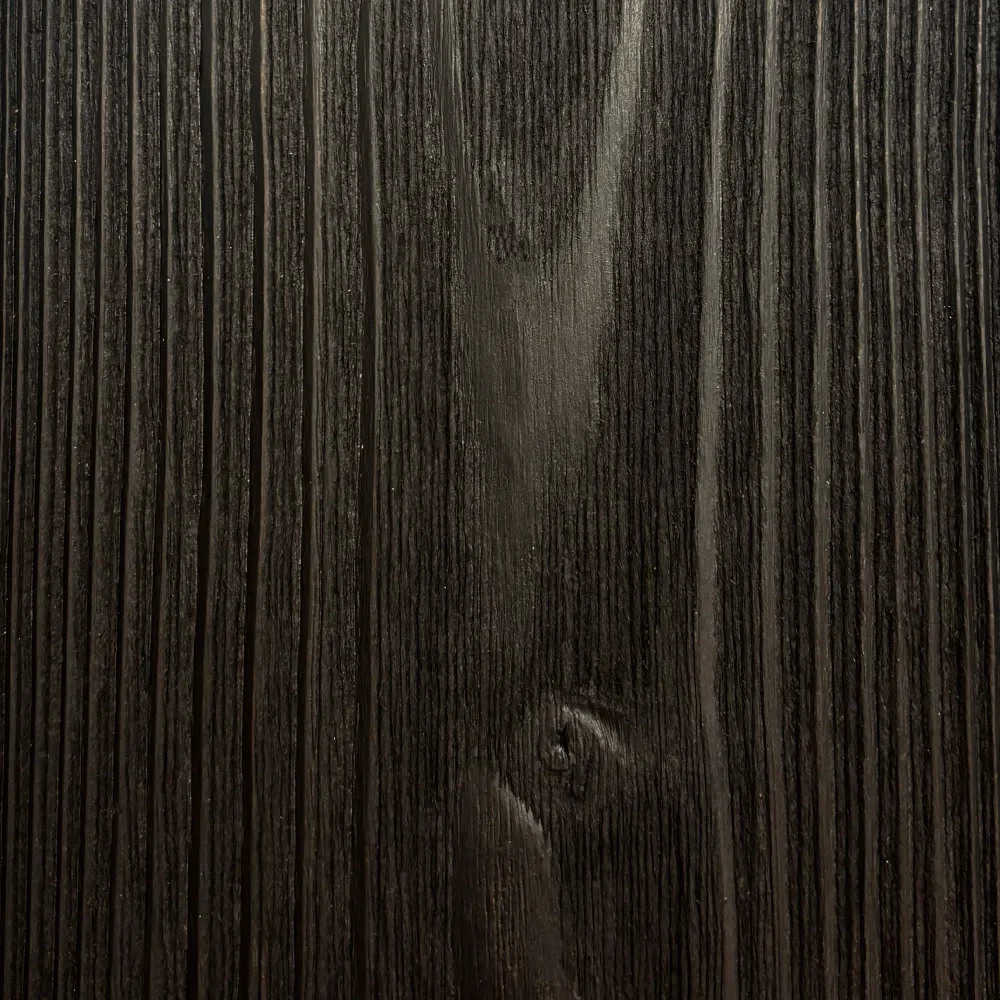
Dark Night
Thunder Grey
Moon Stone
Walnut
Merbau
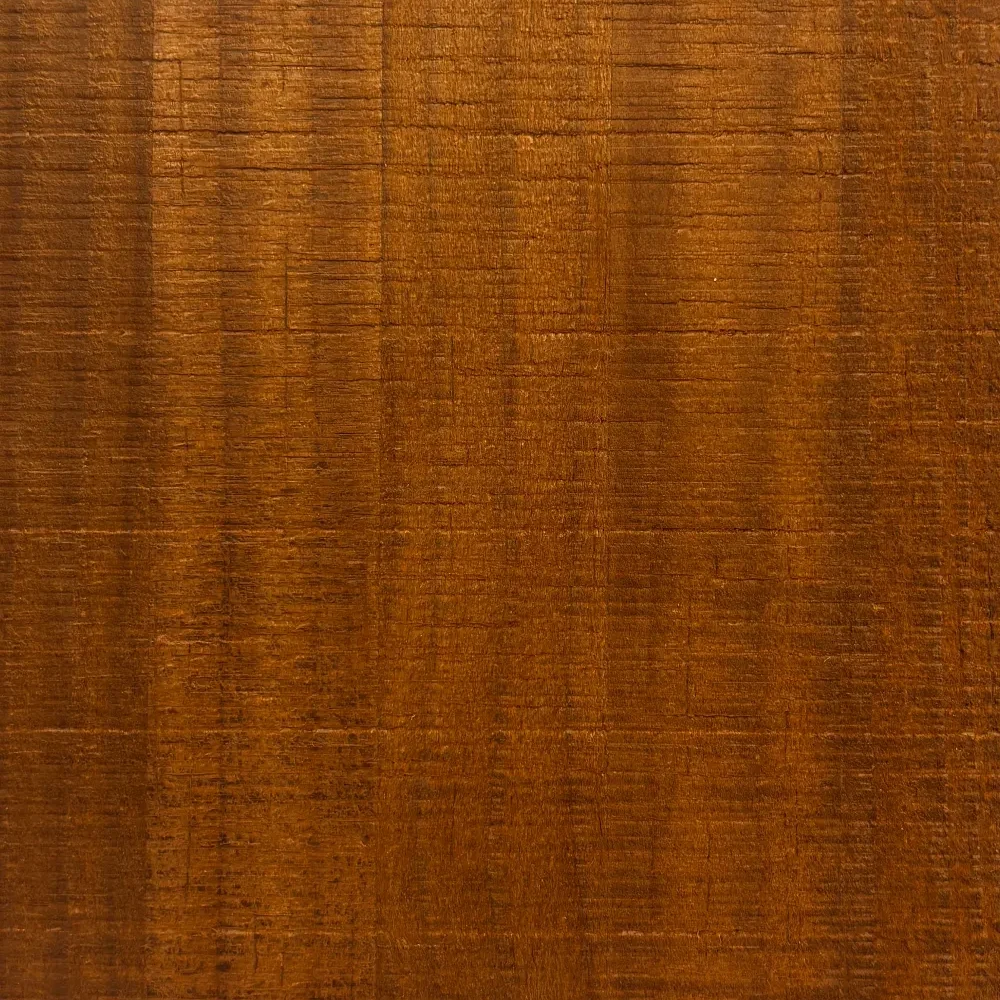
Tan
Profiles
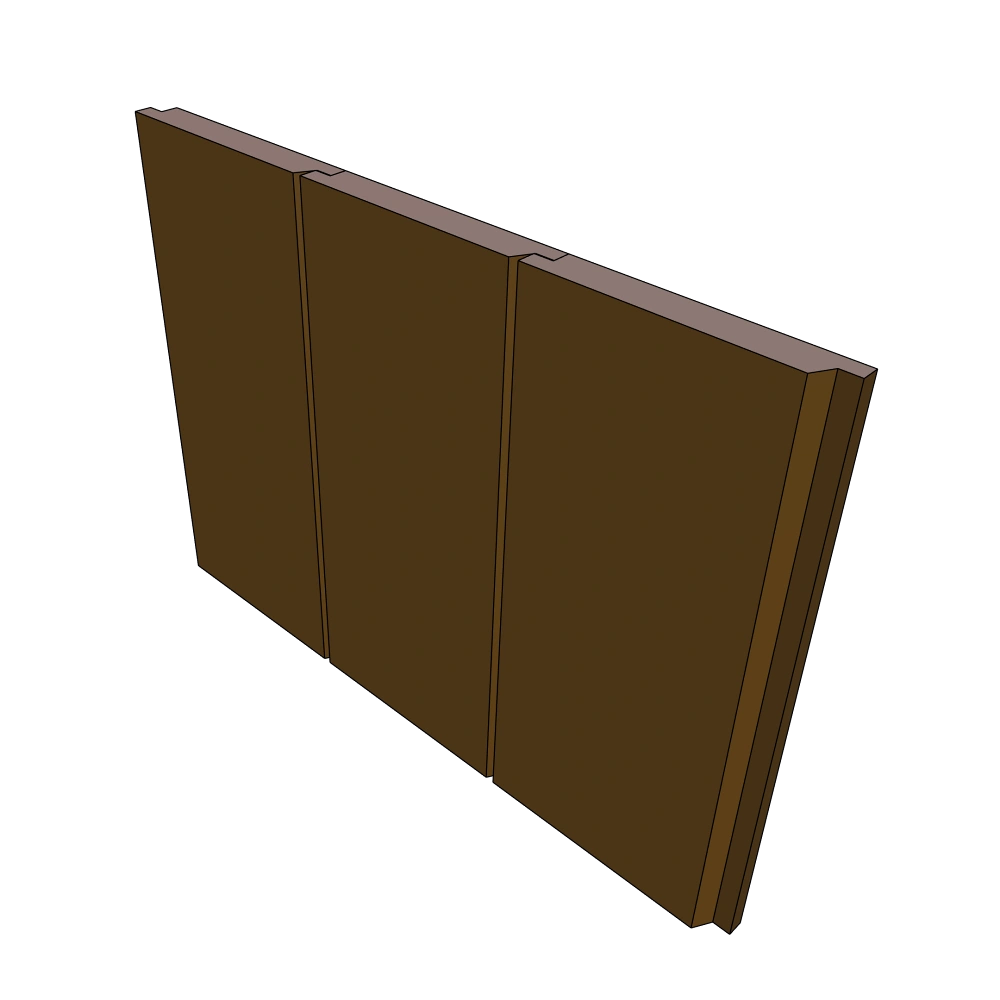
Yakisugi boards can be machined into profiles such as Classic, Rhombus and Vento, where sufficient material remains at the board edges after charring.
Traditional tongue and groove profiles are generally avoided, as deeper charring can weaken the tongue detail.
Profile selection therefore influences both the visual appearance of the façade and the suitability of the board for the Yakisugi process.
Corell Yakisugi vs imported charred timber
Not all charred timber performs the same. Many imported products are produced from untreated spruce or pine with only a surface char applied.
Yakisugi itself is primarily a surface finish. The long-term behaviour of the cladding is still heavily influenced by the underlying timber species.
Corell Yakisugi is produced using thermally modified timber or Douglas Fir, depending on the intended appearance and performance requirements. This allows the visual character of Yakisugi to be combined with a more stable and durable base material.
Irish Made Yakisugi
Fully In-House
Built For Better Projects
All Yakisugi cladding is produced in-house in Ireland, giving full control over the charring, brushing and finishing process. This ensures consistent quality, reliable lead times and a repeatable finish across every project.
On-site Workability
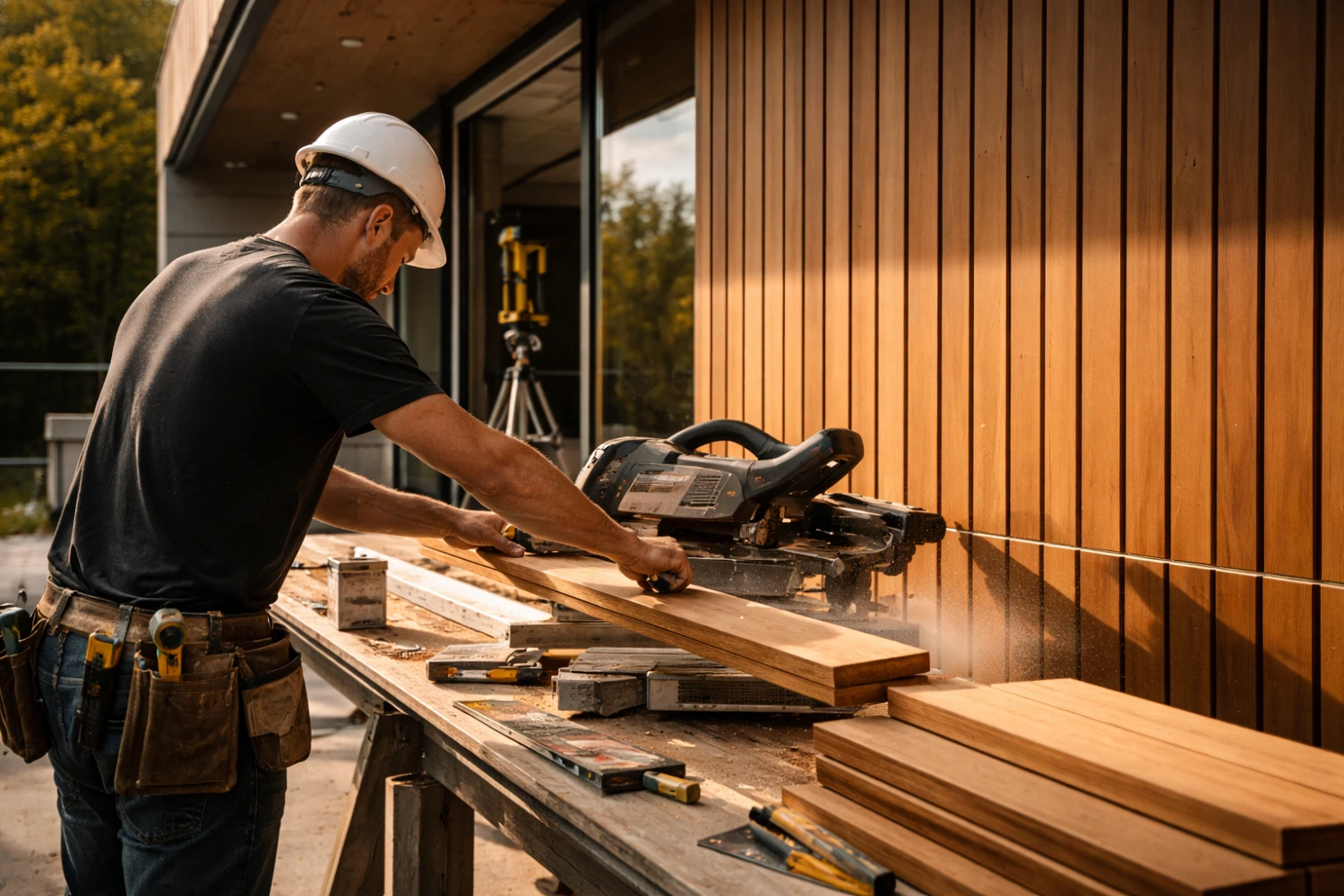
Yakisugi boards install in the same way as other timber cladding systems and can be cut and detailed on site using standard woodworking tools.
Beyond Cladding
Yakisugi is also used for screens, fencing and external architectural features where a darker and more textured timber finish is desired.
Explore other claddings
Subscribe to our Newsletter
Sign up to our newsletter to receive the latest news and updates to your inbox.
© 2026 Corell Architectural Timber Ltd.
All rights reserved.