Yakisugi Charred Timber Cladding: 7 Mistakes to Avoid Before You Specify
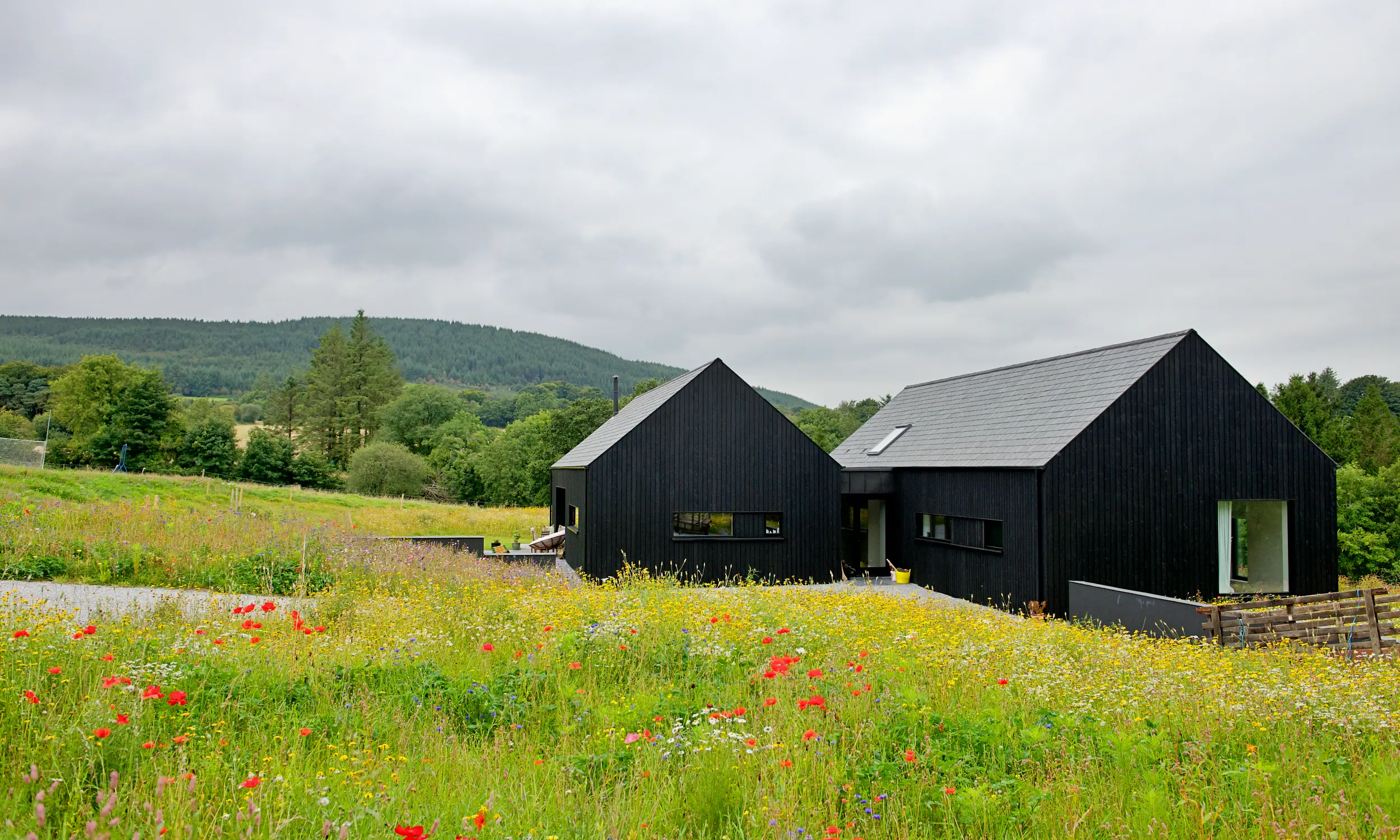
Yakisugi charred timber cladding brings depth, texture and a darker architectural character to an exterior façade. Its appearance is created through a controlled process of charring and brushing the surface of timber, rather than through a paint or printed effect.
For successful results, the finish must be specified as part of a complete external timber cladding system. The timber substrate, elevation, cavity, fixing method, site handling and maintenance approach all influence long-term performance.
Avara® Yakisugi is a charred and brushed surface applied to thermally modified timber. The thermal modification process takes place before the timber reaches Corell. Corell carries out the machining, texturing and finishing in-house in Ireland, maintaining control over the finished architectural timber system.
1. Treating Yakisugi As A Surface Stain
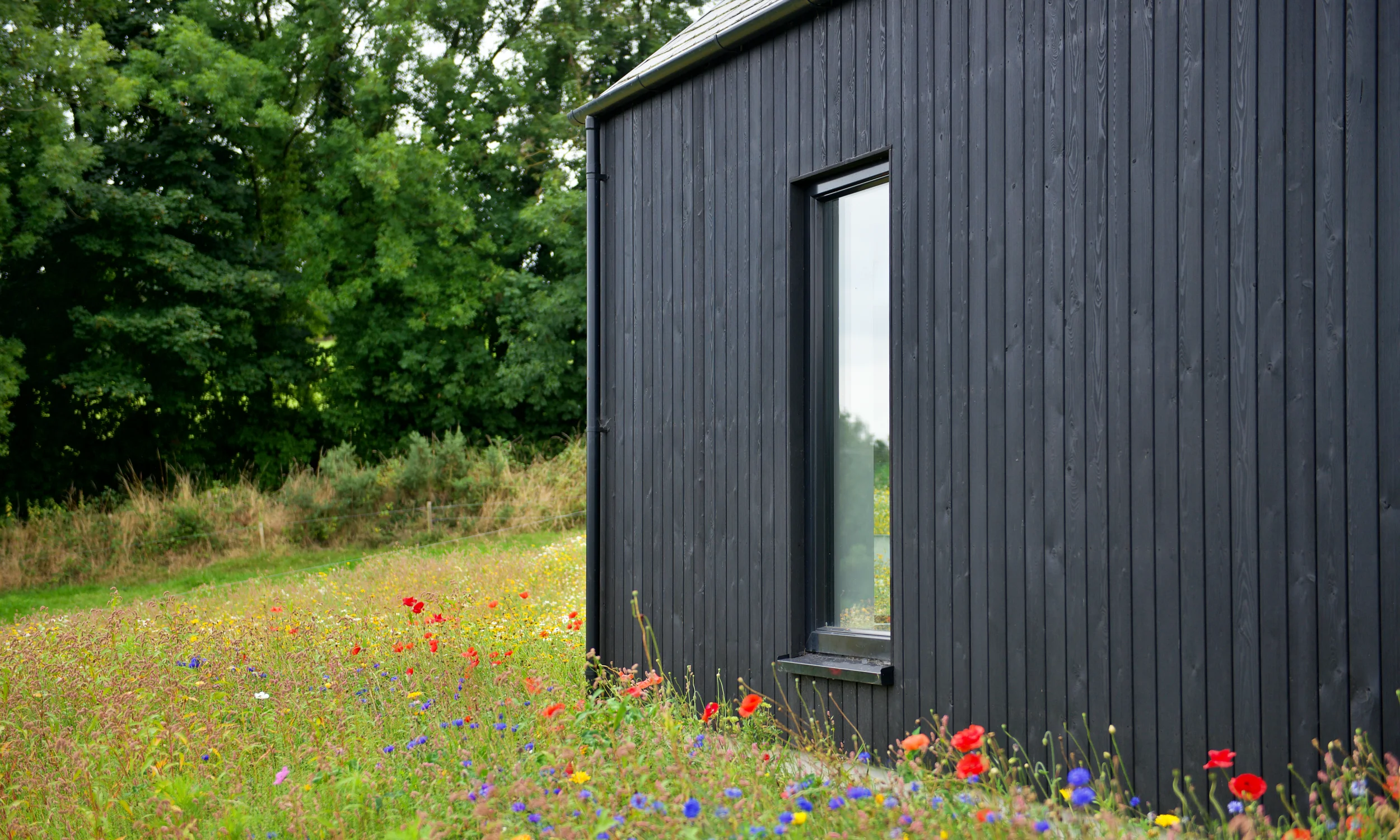
Yakisugi is not a stain, dye or chemical treatment. It is a charred and brushed timber surface with visible depth, grain and variation.
The timber is charred at the surface and then brushed to remove or soften parts of the carbon layer. This exposes different levels of grain and creates the textured appearance associated with charred wood cladding. The result is a genuine material finish rather than a colour applied evenly across a flat board.
The underlying timber remains important. With Avara® Yakisugi, thermally modified timber provides the base for the finish. Thermal modification improves dimensional stability and reduces moisture absorption throughout the timber. The Yakisugi process then creates the dark, tactile surface.
This distinction matters when comparing specifications. A painted black board, a printed wood-effect panel and an exterior timber cladding board with a charred surface will behave and age differently.
The final appearance also depends on the timber species, board profile, brushing level and coating system. These should be identified clearly in the specification. A physical sample should be reviewed before the façade design is finalised.
Explore Yakisugi Charred Timber Cladding
2. Assuming Charred Timber Needs No Maintenance
Charring does not make an exterior façade maintenance-free. Equally, it does not make the timber impossible to maintain.
Maintenance requirements depend on the exposure, orientation, finish and intended appearance. A sheltered elevation may retain its appearance for longer than a façade exposed to driving rain, strong sunlight or repeated splashback.
Maintenance normally involves inspection, gentle cleaning and, where required, reapplication of the specified coating system. The timing should be established from the product guidance and the conditions on the building.
A properly applied charred or coated surface does not peel, blister or flake. Sanding is therefore never required as part of maintenance for Avara® timber cladding coatings. Abrading the surface would alter the character of the charred and brushed finish.
The maintenance strategy should be agreed before specification. Some projects may accept gradual tonal change and natural weathering. Others may require a more controlled appearance through periodic cleaning and recoating.
The objective is not to prevent all change. It is to manage the appearance and keep the timber performing as part of a correctly detailed façade.
See Timber Cladding Maintenance
3. Specifying The Wrong Elevation Or Exposure
Yakisugi can be used across a range of exterior timber cladding applications, but the elevation must be assessed before the material is selected.
Orientation affects exposure to sunlight, wind-driven rain and drying conditions. South- and west-facing elevations may experience greater solar exposure, while exposed coastal or elevated sites can receive more driving rain. Sheltered areas may behave differently from open façades, even within the same building.
The design should consider:
- Building orientation and prevailing wind.
- Exposure to driving rain.
- Solar exposure and seasonal drying.
- Ground splashback and nearby planting.
- Overhangs, recesses and sheltered zones.
- Junctions with roofs, windows, doors and balconies.
A dark façade can make changes in texture and tone more visible. Areas beneath leaking gutters, around openings or close to hard landscaping should receive particular attention during the design stage.
This does not mean avoiding Yakisugi on exposed elevations. It means selecting the timber, profile, finish and detailing with the location in mind. A clear exposure assessment is more reliable than treating every elevation as if it will perform in the same way.
4. Ignoring The Ventilated Cavity
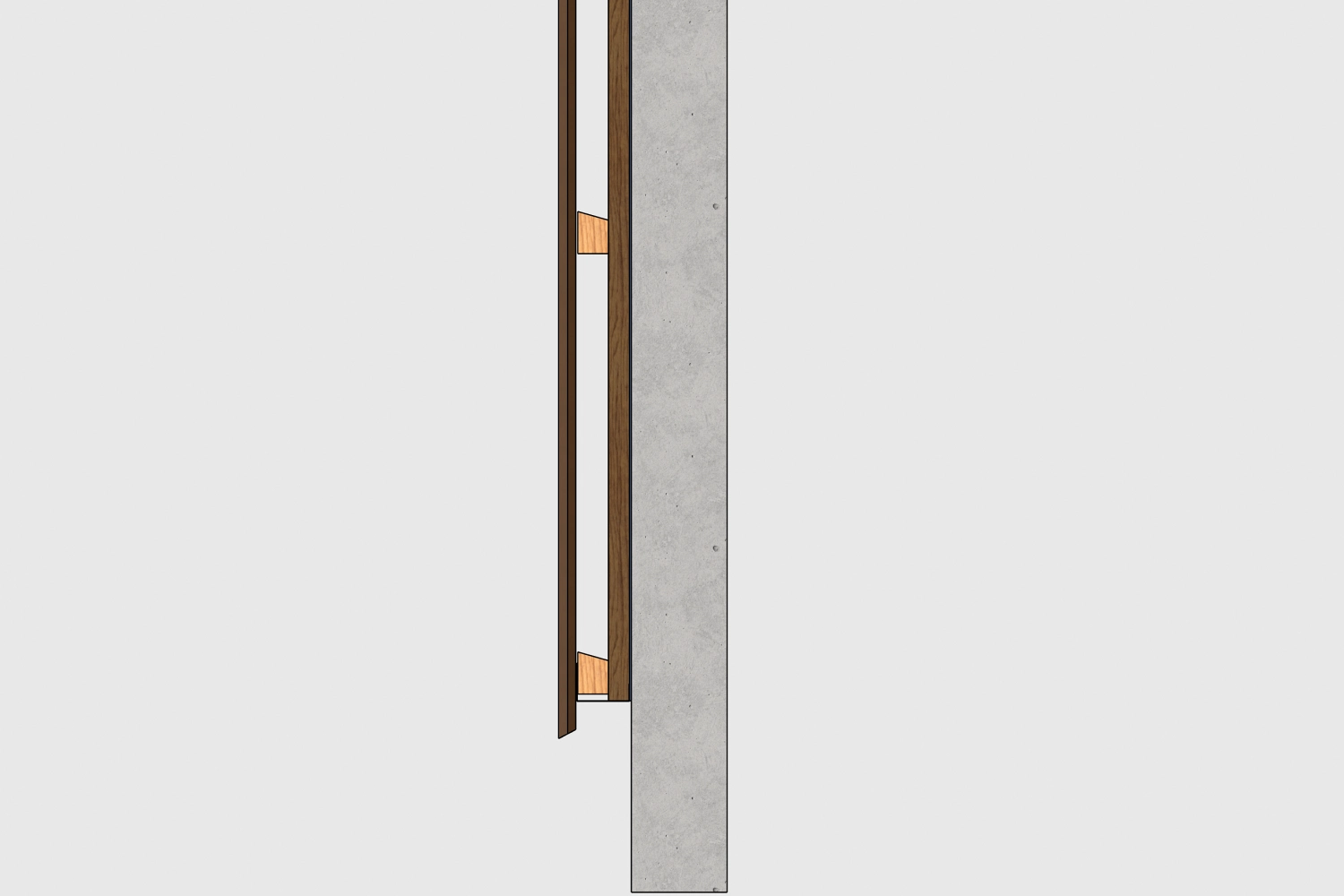
The colour of the cladding does not change the principles of rainscreen design. Charred timber cladding still requires a ventilated cavity, drainage and a clear path for airflow behind the boards.
The cavity allows moisture to drain and helps air circulate behind the external timber cladding. This supports more consistent drying and separates the cladding from the structure behind it.
The design should maintain:
- A continuous cavity behind the boards.
- Openings for airflow at the base and top of the wall.
- Drainage at the base of the façade.
- Protection against insect entry where required.
- Clear routes around windows, doors, corners and other junctions.
- Battens and counter-battens arranged to preserve the cavity.
The cavity must not be blocked by insulation, membranes, flashings, sealants or poorly positioned support battens. Window and door details should manage water while maintaining ventilation behind the timber.
The selected board orientation also affects the substructure. Vertical cladding and horizontal cladding require different batten arrangements to support the boards and preserve drainage. These details should be resolved before ordering material.
Review Timber Cladding Detailing
5. Expecting A Uniform Flat Black
Yakisugi is not intended to look like a perfectly uniform painted surface. Its character comes from natural timber variation, the depth of the char, the brushing pattern and the way light moves across the boards.
Individual boards may show differences in grain, density and tonal depth. Some areas may appear deeper black, while others may reveal more of the underlying grain. The appearance can also shift throughout the day as sunlight reaches the textured surface from different angles.
Avara® Yakisugi is designed to provide a coherent overall tone while retaining this natural variation. The façade should read as consistent in character, not identical board by board.
This is one of the important differences between real timber and composite alternatives. Composite materials often rely on repetitive patterns with limited board-to-board grain variation. They can provide consistency, but generally lack the depth, tactile quality and changing character of natural wood.
Timber can also be maintained, restored and recoated to renew its appearance over time. The surface does not need to remain frozen in its original condition.
Physical samples are essential. Digital images cannot fully represent the depth of the charred surface, the effect of brushing or the variation between boards.
6. Ordering Charred Timber Too Late
Yakisugi is a finished architectural timber system. It should not be treated as a standard board that can be selected after the main façade decisions have been made.
The specification must allow time for:
- Sample approval.
- Timber selection and confirmation.
- Profile selection and machining.
- Surface texturing and charring.
- Coating and finishing.
- Quality checks and project-specific preparation.
- Delivery sequencing and site coordination.
Corell carries out machining, texturing and finishing in-house in Ireland. The thermal modification itself is completed before the timber enters this production process. Allowing for each stage helps prevent late substitutions or unnecessary pressure on the installation programme.
The profile must also be suitable for the selected finish. Deeper charring and brushing affect the amount of material retained at board edges. Some profiles may therefore be more appropriate than others for Yakisugi.
The chosen texture, colour and profile should be approved early using physical samples. The ordering schedule should then reflect the actual manufacturing and finishing requirements rather than the lead time of an unfinished timber product.
Explore Avara® Timber Cladding
7. Mishandling Boards On Site
Finished Yakisugi boards require careful handling before and during installation. Damage can occur through poor storage, incorrect cutting, unsuitable fixings or unprotected end grain.
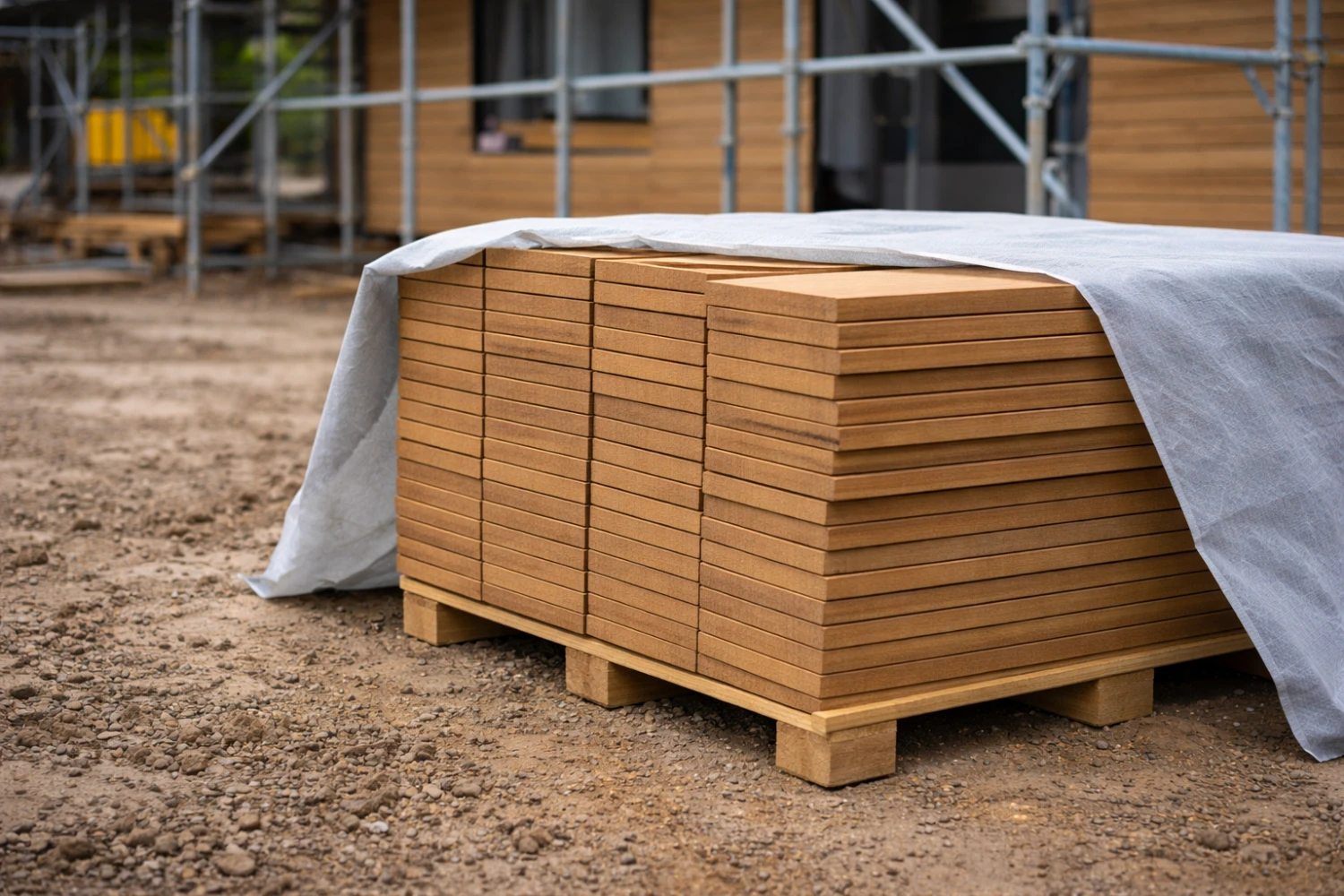
Boards should be stacked flat, supported evenly and kept clear of standing water. They should be protected from direct exposure to rain and ground moisture while still allowing suitable ventilation. Stacking boards directly on uneven surfaces can introduce pressure marks, distortion or damage to the finished face.
During installation:
- Use clean, suitable cutting tools.
- Seal exposed cut edges in accordance with the finish guidance.
- Protect treated or finished end grain after cutting.
- Pre-drill where required for the selected board and fixing.
- Use compatible external-grade fixings.
- Avoid dragging boards across one another.
- Keep the finished surface clear of mud, mortar and construction debris.
- Follow the specified fixing pattern and board spacing.
Cutting and drilling on site does not make the system unsuitable for normal construction. It does require the exposed timber and end grain to be treated correctly after alteration. The installation guidance should be available to the contractor before the boards arrive.
Read Timber Cladding Installation Guidance
Choosing The Right Yakisugi Texture
Texture should be selected alongside the architecture, viewing distance and exposure of the project.
A lightly brushed surface can retain more visible grain and create a quieter façade. A more heavily brushed or charred finish produces stronger shadow, contrast and tactile depth. The correct choice depends on whether the design requires a restrained dark surface or a more expressive architectural timber façade.
Avara® Yakisugi is available in carefully considered timber, profile and colour combinations. Samples allow the finish to be reviewed in natural light and alongside the other materials in the building.
The most reliable specification considers four things together: the thermally modified timber substrate, the charred and brushed texture, the external coating system and the façade detailing.
Specify With Clarity
Yakisugi performs as part of a complete system. Confirm the timber, profile, texture, coating, cavity, fixings, exposure and maintenance approach before ordering.
Request Avara® Yakisugi Samples
Contact Corell for project-specific guidance on architectural timber cladding, detailing and installation.

© 2026 Corell Architectural Timber Ltd.
All rights reserved.